
How to Preserve Muscle Mass After 50: The Best Nutrition and Lifestyle Strategies
- Sonhos Digitais

- 1 day ago
- 3 min read
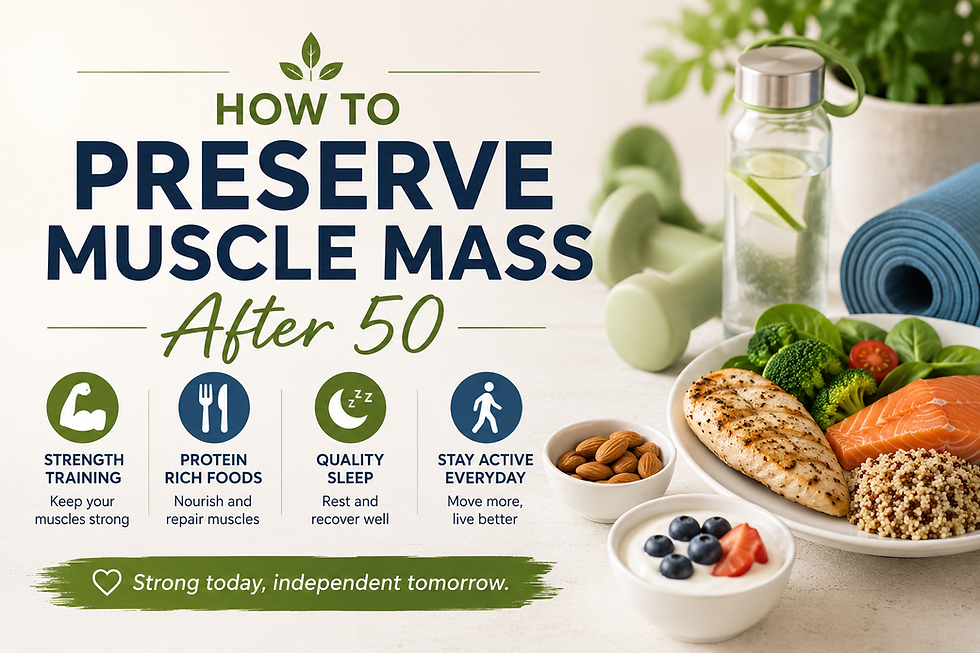
How to Preserve Muscle Mass After 50: The Best Nutrition and Lifestyle Strategies
Introduction
As we age, maintaining muscle mass becomes one of the most important factors for staying healthy, active, and independent. After the age of 50, many women and men begin to lose muscle naturally, even if their body weight remains the same.
This gradual loss of muscle, known as sarcopenia, can slow metabolism, reduce strength, increase the risk of falls, and make everyday activities more difficult.
The good news is that muscle loss is not an inevitable part of ageing. A balanced diet, adequate protein intake, regular strength training, quality sleep, and an active lifestyle can help preserve muscle mass for many years.
Why Do We Lose Muscle After 50?
Beginning in our 30s, muscle mass slowly starts to decline. After the age of 50, this process often accelerates, especially in women after menopause.
Several factors contribute to muscle loss, including:
Lower oestrogen levels during menopause
Reduced testosterone production
Less physical activity
Lower protein intake
Slower muscle protein synthesis
Chronic inflammation
Poor sleep quality
Without intervention, adults may lose between 3% and 8% of their muscle mass each decade, making prevention increasingly important.
Why Muscle Matters More Than Weight
Many people focus only on the number on the scales.
However, maintaining muscle is often far more important than simply losing weight.
Healthy muscle helps:
Burn more calories at rest
Support healthy metabolism
Improve balance and stability
Protect joints
Reduce the risk of falls
Maintain independence
Support healthy bones
Improve blood sugar control
For this reason, preserving muscle should be one of the main health goals after 50.
Protein: The Foundation of Muscle Health
Protein provides the amino acids needed to build and repair muscle tissue.
Many adults over 50 consume far less protein than they need, particularly at breakfast.
Excellent protein sources include:
Eggs
Fish
Chicken
Turkey
Greek yoghurt
Cottage cheese
Kefir
Lentils
Chickpeas
Beans
Tofu
Lean beef (in moderation)
Including high-quality protein at every meal helps stimulate muscle protein synthesis throughout the day.
Strength Training Is Essential
Nutrition alone cannot preserve muscle.
Muscles need regular resistance to remain strong.
Effective activities include:
Resistance band exercises
Weight training
Bodyweight exercises
Squats
Wall push-ups
Step exercises
Pilates
Even two or three sessions each week can significantly improve muscle strength and mobility.
Don't Forget Healthy Carbohydrates
Carbohydrates provide the energy needed for exercise and muscle recovery.
Choose healthier options such as:
Oats
Sweet potatoes
Brown rice
Quinoa
Wholegrain bread
Beans
Lentils
Fruit
These foods also provide fibre, vitamins and minerals that support overall health.
Healthy Fats Support Healthy Muscles
Healthy fats help reduce inflammation and support hormone production.
Include foods such as:
Extra virgin olive oil
Avocados
Walnuts
Almonds
Chia seeds
Flaxseeds
Oily fish like salmon and mackerel
Vitamin D and Muscle Function
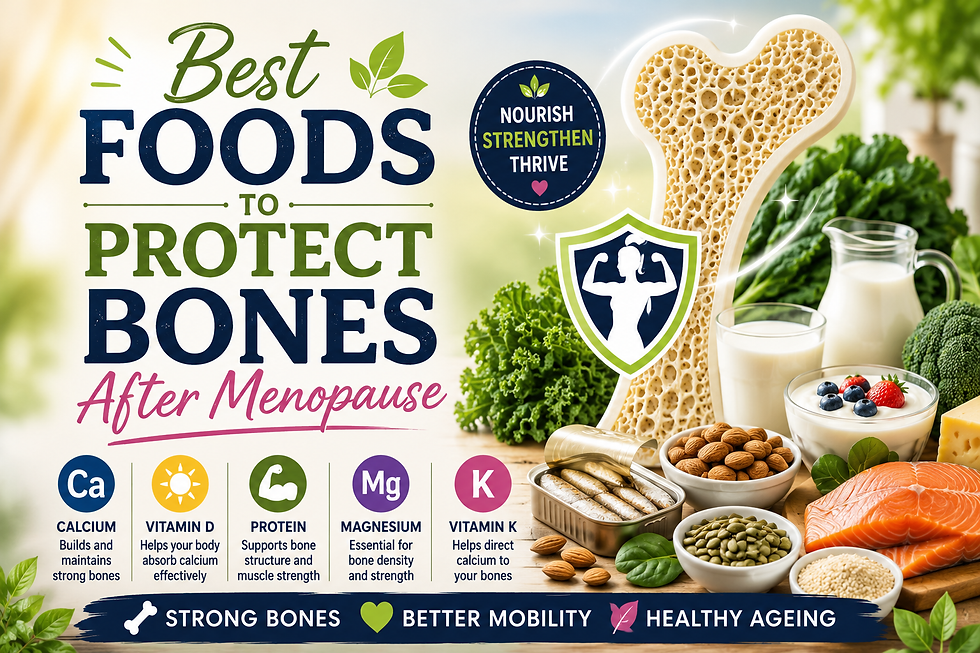
Vitamin D is important not only for bone health but also for muscle strength.
Low vitamin D levels have been associated with muscle weakness and an increased risk of falls.
Safe sun exposure, oily fish, eggs and fortified foods all contribute to healthy vitamin D levels.
Sleep and Muscle Recovery
Muscles grow and repair during sleep.
Poor sleep reduces the body's ability to recover after exercise and may increase muscle loss over time.
Aim for 7–9 hours of quality sleep whenever possible.
A Muscle-Friendly Daily Meal Plan
Breakfast
Greek yoghurt with oats, berries and chia seeds.
Lunch
Grilled chicken, quinoa and mixed vegetables.
Snack
An apple with almonds.
Dinner
Baked salmon with broccoli and sweet potato.
Conclusion
Losing muscle after 50 is common, but it is not unavoidable.
Eating enough protein, staying physically active, performing regular strength exercises, sleeping well and choosing a balanced diet can help preserve muscle mass, maintain independence and improve quality of life.
Every healthy meal and every strength-building workout is an investment in your future.
Strong muscles support healthy ageing, greater mobility and a better quality of life at every stage of adulthood.


Comments